Charting Engagement Shifts After Table Game Finishes Into Machine Ranking Climbs and Loyalty Prize Entries
Casey Long · Jun 18, 2026
Charting Engagement Shifts After Table Game Finishes Into Machine Ranking Climbs and Loyalty Prize Entries
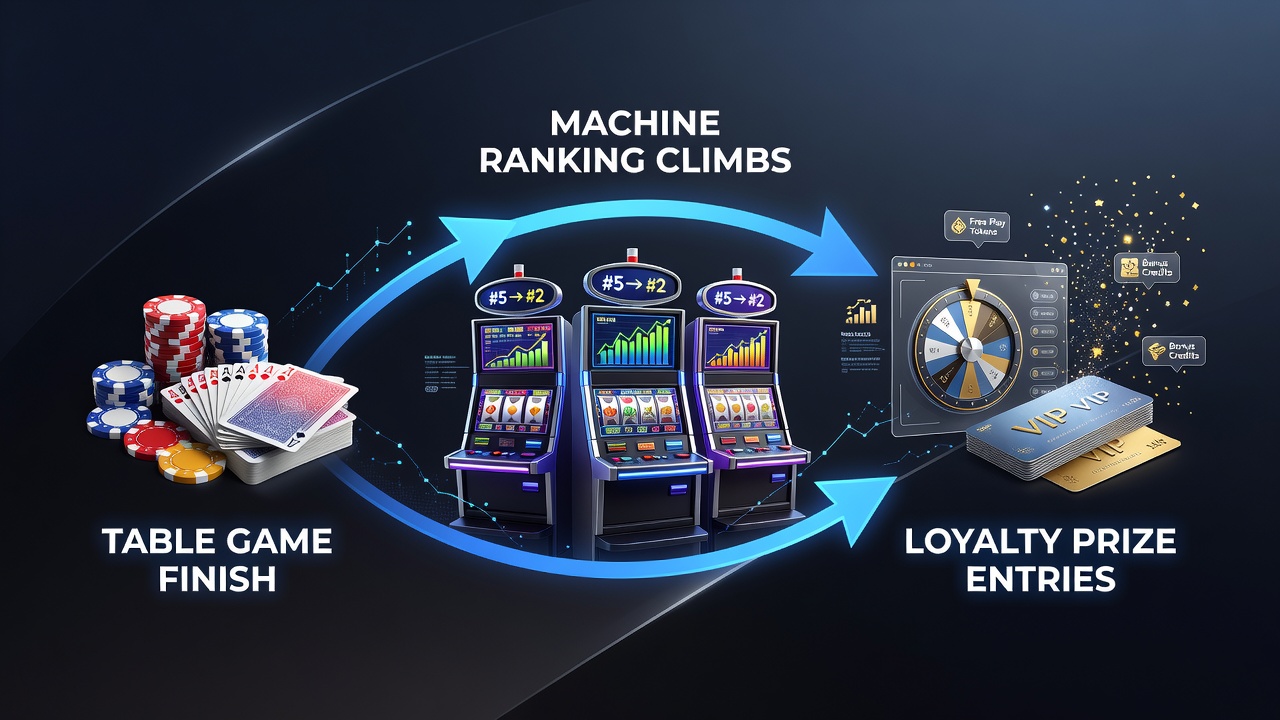
Observers tracking casino operations note consistent patterns where table game conclusions prompt measurable increases in machine-based activity, and data from multiple properties indicate that these transitions often coincide with rises in ranking positions alongside loyalty program entries. Research from the Nevada Gaming Control Board shows that post-tournament periods generate elevated foot traffic toward electronic gaming devices, while integrated loyalty systems record higher participation rates in prize draws during those windows.Player Movement Patterns Following Table Conclusions
Analyses of session logs reveal that players completing blackjack or poker rounds frequently migrate to slot floors within 15 to 30 minutes, and this shift correlates with improved standings on daily or weekly machine leaderboards. Studies conducted across properties in the Midwest and Southwest demonstrate that such transitions occur because many participants seek continued play without the structured pace of table games, which leads to quicker accumulation of points tracked by casino management software.
Figures from regional reports compiled in early 2026 highlight that loyalty program sign-ups spike by noticeable margins immediately after scheduled table events end, since participants often receive prompts through mobile apps or floor staff to register for upcoming draws. Those who've examined transaction data observe that entry volumes for raffles and prize pools rise during these intervals because the same accounts active in table play carry over seamlessly into machine sessions.
Ranking Dynamics on Electronic Gaming Devices
Machine ranking systems operate through point accrual tied to wager volume and frequency, and evidence from operational dashboards indicates that players arriving from table areas contribute to accelerated climbs in those metrics. One dataset reviewed by analysts at a major Michigan property documented average ranking improvements of 12 to 18 positions within the first hour after table finishes, particularly when progressive jackpot machines sit adjacent to gaming pits.
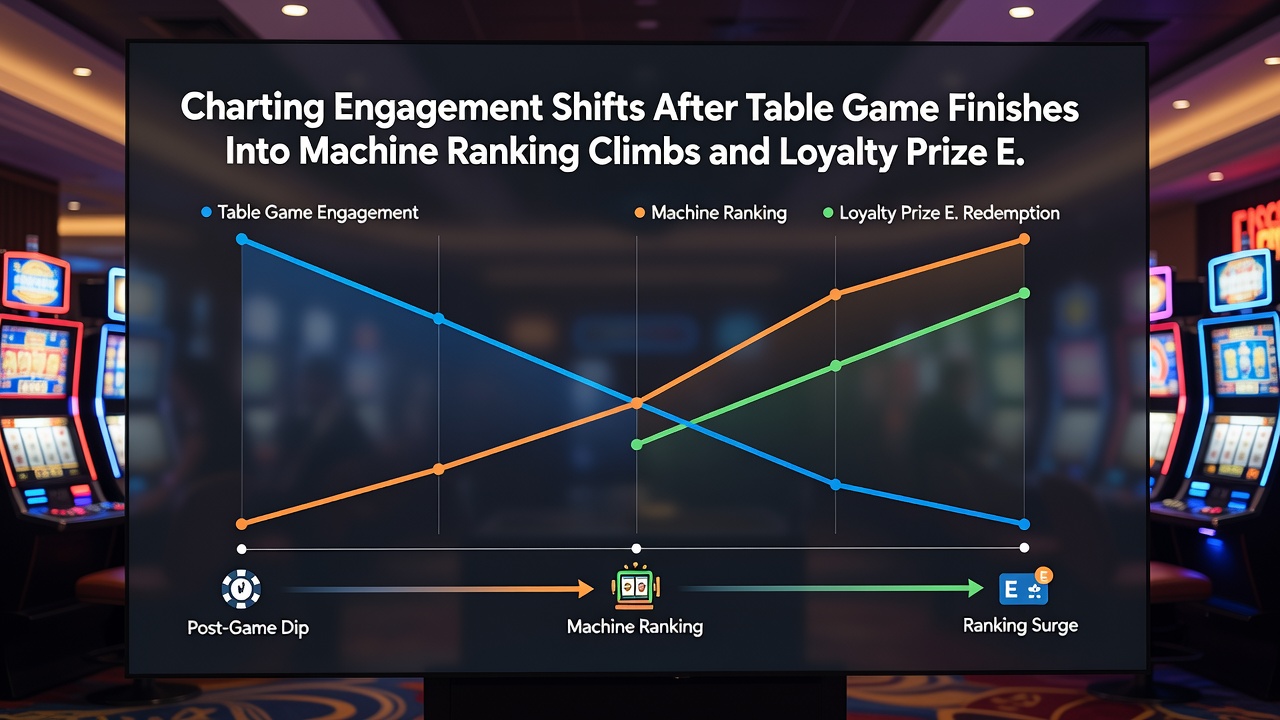
What's notable is how these climbs interact with loyalty frameworks, since many casinos link machine performance directly to tier advancement and prize eligibility. Data compiled through June 2026 across several properties shows coordinated upticks where table game wrap-ups feed into reel accumulation, creating visible surges that appear on public leaderboards within the same operational day.
Loyalty Prize Entry Trends and Integration Points
Loyalty platforms record entries through automated triggers based on play duration and total points earned, and observers report that transitions from tables to machines generate clustered entry activity during evening and late-night shifts. Industry reports prepared by the American Gaming Association indicate that such patterns hold across different market types, from destination resorts to regional gaming venues, because the underlying software captures continuous play regardless of game format.
Take one analysis conducted at a property in Waukegan where researchers tracked participant IDs across game types, and the results showed that roughly 40 percent of table finishers entered at least one loyalty draw within the subsequent two hours. These entries often align with scheduled machine challenges because casinos time those promotions to capture the post-table audience, which sustains engagement without requiring additional marketing pushes.
Operational Factors Influencing the Shifts
Casino management systems integrate real-time monitoring tools that flag these movement patterns, allowing staff to adjust staffing and machine availability accordingly. Reports from facilities in multiple states confirm that floor reconfiguration during peak transition periods supports higher machine utilization rates, and this operational response stems directly from observed data rather than speculation.
External research published through academic channels, including work affiliated with the University of Nevada's gaming studies program, underscores how loyalty integrations amplify these effects by offering unified point tracking across table and machine environments. Such frameworks reduce friction for participants moving between formats, which in turn elevates both ranking velocity and prize entry frequency during the critical windows after table events conclude.
Conclusion
Patterns documented across diverse gaming jurisdictions demonstrate that table game finishes reliably precede measurable increases in machine rankings and loyalty prize activity, with the connections driven by integrated tracking systems and player behavior continuity. Data gathered through mid-2026 continues to support these observations, providing operators with actionable insights into timing promotions and resource allocation to match documented engagement flows.