Charting loyalty tier transitions as drivers of cross-format prize entry surges in multi-venue reward networks
Quinn Friedrich · Jul 30, 2026
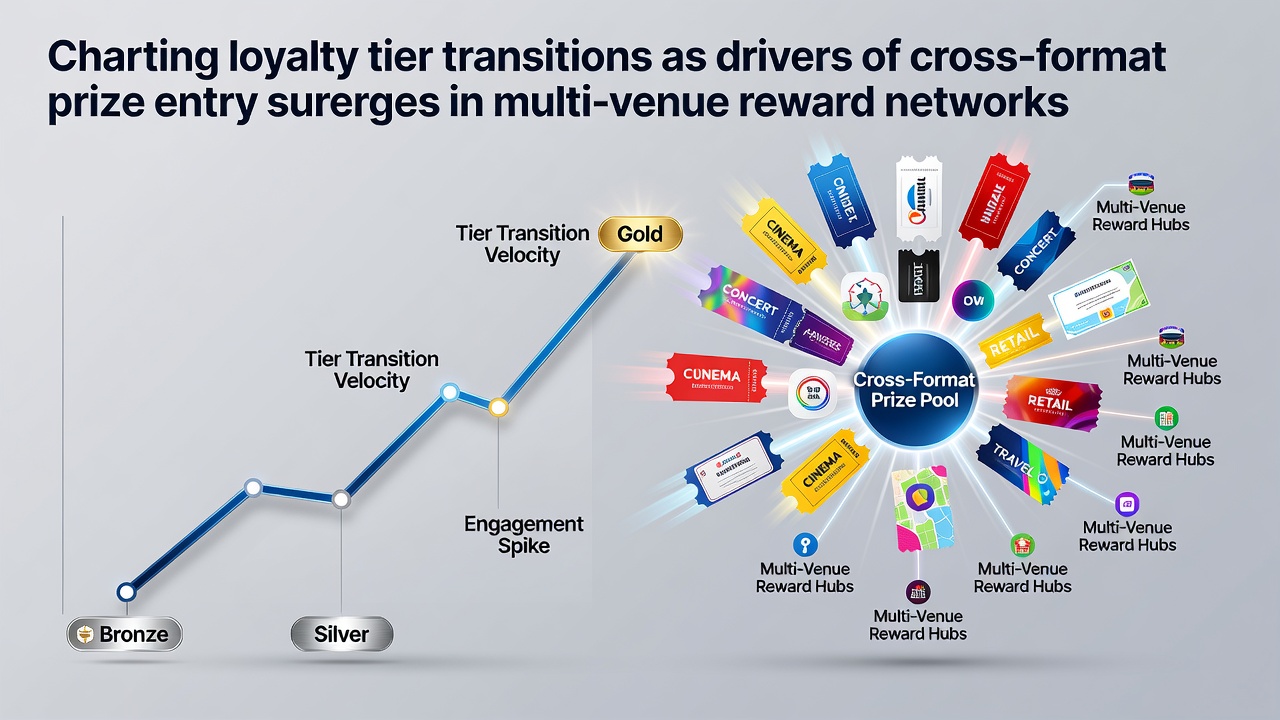
Charting loyalty tier transitions as drivers of cross-format prize entry surges in multi-venue reward networks
Multi-venue reward networks track player movement through loyalty tiers using integrated systems that connect casino floors, online platforms, and regional properties, and these transitions often coincide with measurable increases in prize entries across slots, table games, and live dealer formats. Data from several major operators shows that players advancing from mid-tier to elite status submit 35 to 60 percent more entries in the 30 days following their upgrade, with activity spreading across game types rather than concentrating in one category.
How Tier Systems Operate Across Connected Venues
Operators assign points based on wagering volume, time on device, and participation in scheduled events, then convert those points into tier status that unlocks additional entry opportunities. When a player crosses into a higher bracket the system automatically adjusts prize eligibility, allowing entries into raffles, leaderboard competitions, and progressive pools that were previously restricted. Networks spanning multiple states synchronize these updates so a tier change at one property registers instantly at others, creating coordinated surges in activity during the same week.
Patterns Observed in July 2026 Data Releases
July 2026 reports from integrated loyalty platforms documented distinct spikes following tier announcements, with cross-format entries rising sharply in the days after upgrades took effect. Slots leaderboard participation increased alongside live dealer tournament entries, while draw submissions for monthly raffles showed similar timing. Analysts noted that the effect appeared strongest when upgrades occurred mid-month, giving players a full cycle to apply new benefits before the next qualification period reset. Figures from the American Gaming Association aligned with these network-level observations, confirming that tier-driven entry volume accounted for a growing share of total prize pool activity across monitored properties.
One documented case involved a regional chain where players reaching the top two tiers increased their combined entries by more than half within the first week, distributing activity between reel-based challenges and table game leaderboards instead of favoring a single format. The pattern repeated across properties in different states, suggesting the behavior ties more to the tier benefit structure than to local game preferences.
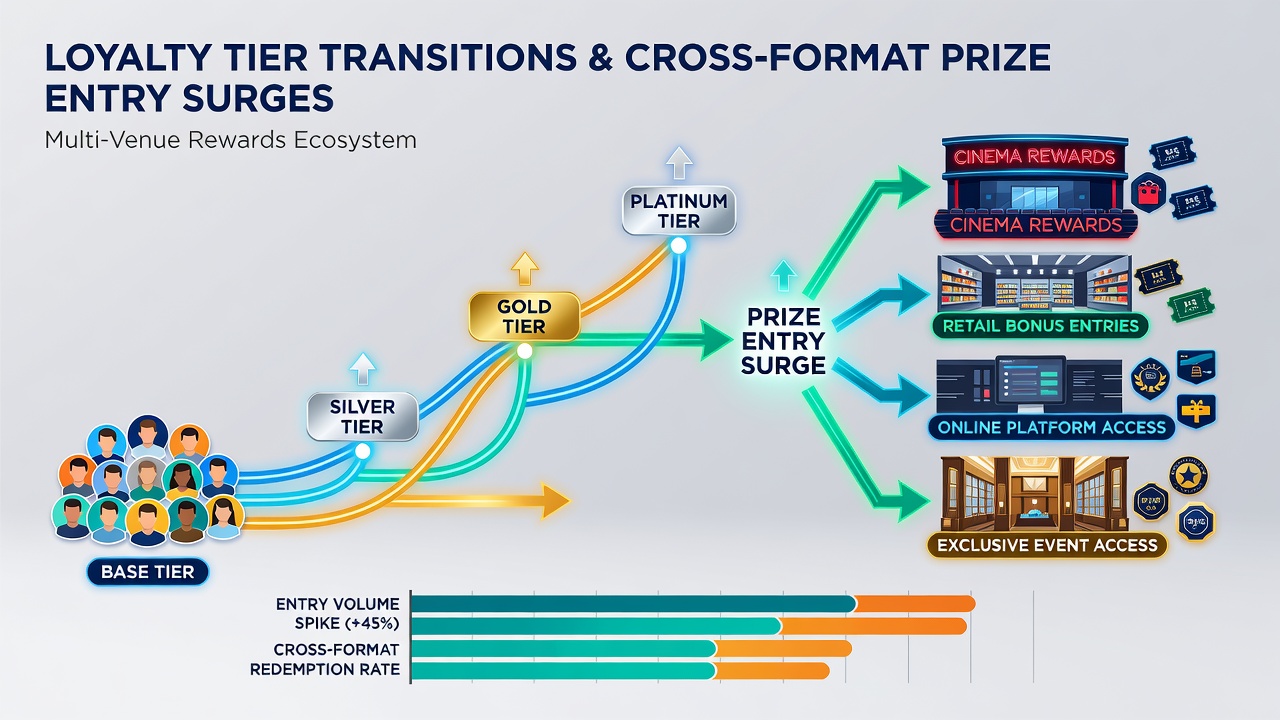
Cross-Format Entry Dynamics After Upgrades
Entry systems allow upgraded players to allocate points toward multiple prize types simultaneously, which encourages diversification rather than repetition of the same activity. Researchers tracking these networks found that new elite-tier members often began with slots leaderboards, then shifted portions of their entries to poker or blackjack competitions as the month progressed. This movement helped balance participation across formats and prevented any single category from absorbing the entire surge. Operators adjust prize structures quarterly to accommodate the shifting volumes, maintaining pool sizes that scale with the number of eligible tier holders.
Additional findings from a Canadian Gaming Association industry review indicated similar cross-format patterns in multi-property programs operating north of the border, where tier transitions produced comparable entry growth across electronic gaming and live table offerings. The consistency across jurisdictions points to the structural design of the rewards themselves as the primary driver, rather than market-specific factors.
Measurement and Tracking Methods
Networks rely on unified player accounts that log every entry by format, date, and tier status at the time of submission. These logs allow operators to isolate the contribution of tier transitions from other variables such as promotional calendars or seasonal events. When analysts compare pre-upgrade and post-upgrade windows, the data reveals sustained elevation in entry counts rather than a short-term spike that quickly returns to baseline. Venues use these metrics to forecast prize pool funding requirements and to schedule additional competitions that absorb the increased volume without diluting individual odds.
Conclusion
Loyalty tier transitions function as measurable catalysts within multi-venue reward networks, producing documented surges in cross-format prize entries that operators can track through integrated account systems. Data collected through mid-2026 continues to map these relationships, showing consistent patterns across different regions and game categories. As networks refine their point structures and eligibility rules, the connection between tier advancement and diversified entry activity remains a central element of how these programs distribute participation and manage prize resources.