Correlating Poker Finals with Reel Standings via Integrated Loyalty Frameworks
Klara Friedrich · Jun 13, 2026

Correlating Poker Finals with Reel Standings via Integrated Loyalty Frameworks
Integrated loyalty frameworks in casino operations connect outcomes from poker tournament finals directly to reel-based standings on slot machines, and operators achieve this linkage through tiered point systems that convert tournament performance metrics into reel leaderboard eligibility. These systems track player activity across table games and electronic gaming devices using unified player accounts, so that final table placements in poker events generate credits that influence positioning on daily or weekly reel leaderboards.
How Loyalty Integration Tracks Cross-Game Performance
Casino management platforms consolidate data from poker tables and slot floors into single loyalty profiles, and this consolidation allows tournament finishes to feed into algorithms that adjust reel standings based on accumulated points rather than isolated slot play alone. Players receive tier credits for reaching poker finals, and those credits then factor into reel competition rankings where higher point totals improve leaderboard placement even when reel session volumes remain moderate. Research from the American Gaming Association indicates that properties using such unified tracking report measurable shifts in player distribution across gaming verticals during peak tournament periods.
Operators implement these correlations through software that assigns weighted values to poker outcomes, so a runner-up finish might equate to several hours of slot play in terms of leaderboard advancement. The weighting varies by property, yet the underlying structure remains consistent across multiple jurisdictions where regulatory reporting requires transparent point conversion rules. Data collected in early 2026 shows increased reel participation rates among players who qualified for poker final tables at venues operating these frameworks.
Technical Mechanisms Behind the Correlation
Backend systems pull real-time results from poker tournament software and push corresponding point awards into the central loyalty database within minutes of each final hand, and this rapid transfer enables immediate updates to reel standings visible on digital leaderboards throughout the casino floor. Slot machines connected to the same network display adjusted rankings that reflect both direct reel play and indirect contributions from poker achievements, creating a continuous feedback loop for participants. Observers note that this integration reduces the separation between table game events and electronic gaming sessions, allowing players to maintain momentum across formats without resetting progress.
Security protocols verify each point transfer to prevent discrepancies, and audit logs maintained by casino IT departments record every correlation event for compliance purposes. Properties in regions following standards from the Ontario Lottery and Gaming Corporation maintain detailed records that demonstrate how poker final placements translate into reel leaderboard movements over multi-day competition cycles.
Observed Patterns in Player Movement and Standings
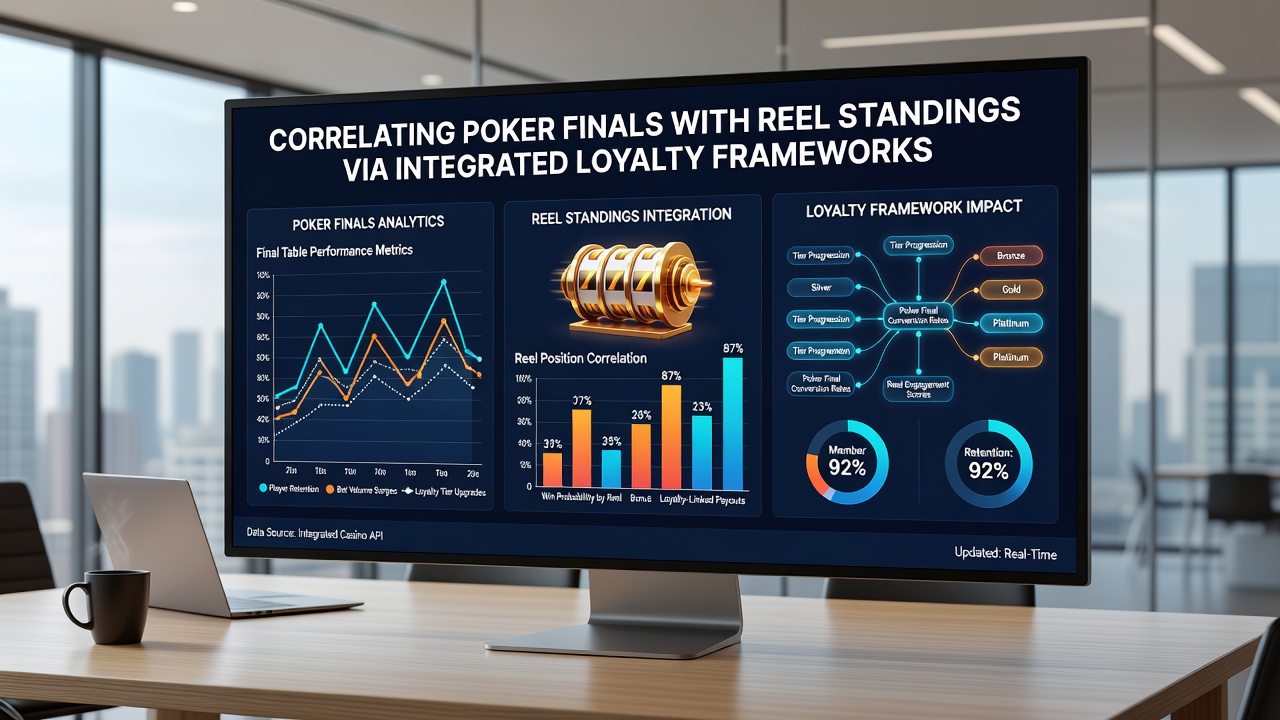
Analysis of transaction data from integrated systems reveals that players who advance deep in poker tournaments often appear on reel leaderboards within 48 hours of the final table, and this pattern holds across properties that apply consistent point multipliers. The correlation strengthens during periods when multiple events overlap, such as the June 2026 tournament schedules at several major resorts where poker finals coincided with reel competition resets. Figures from property reports indicate that reel standings experienced higher turnover rates immediately following these aligned events compared to non-tournament weeks.
Loyalty frameworks also incorporate decay functions that gradually reduce the influence of older poker results on current reel standings, which keeps the system dynamic and encourages ongoing participation. Players who combine consistent reel volume with occasional deep poker runs maintain steadier leaderboard positions than those relying on either activity in isolation. Industry reports compiled by research arms of state gaming commissions document these retention effects through anonymized player cohort studies.
Implementation Variations Across Properties
Some operators apply flat conversion rates where each poker point equals a fixed reel credit amount, while others use progressive multipliers that increase based on overall loyalty tier level at the time of the tournament final. These variations produce different correlation strengths, and properties track the resulting leaderboard compositions to refine their formulas seasonally. In June 2026, several facilities adjusted their multipliers following internal reviews that compared poker-to-reel transition rates from the prior quarter.
Staff training programs emphasize accurate recording of tournament results to ensure seamless point integration, and floor supervisors coordinate with loyalty desk personnel to resolve any immediate discrepancies reported by players. The process supports both live and electronic poker formats, broadening the range of events that feed into reel standings calculations.
Conclusion
Integrated loyalty frameworks establish measurable connections between poker tournament finals and reel standings through systematic point conversion and database synchronization. Properties maintain these correlations via verified technical processes that align with regulatory expectations in multiple operating regions. Patterns observed in 2026 data demonstrate consistent player movement between the two formats when frameworks operate without interruption. Continued refinement of weighting formulas and decay mechanisms supports ongoing alignment of outcomes across poker and reel environments.