Loyalty Framework Bridges: Connecting Poker Outcomes to Slots Rankings and Draw Entries in Regional Chains
Casey Long · Jul 23, 2026
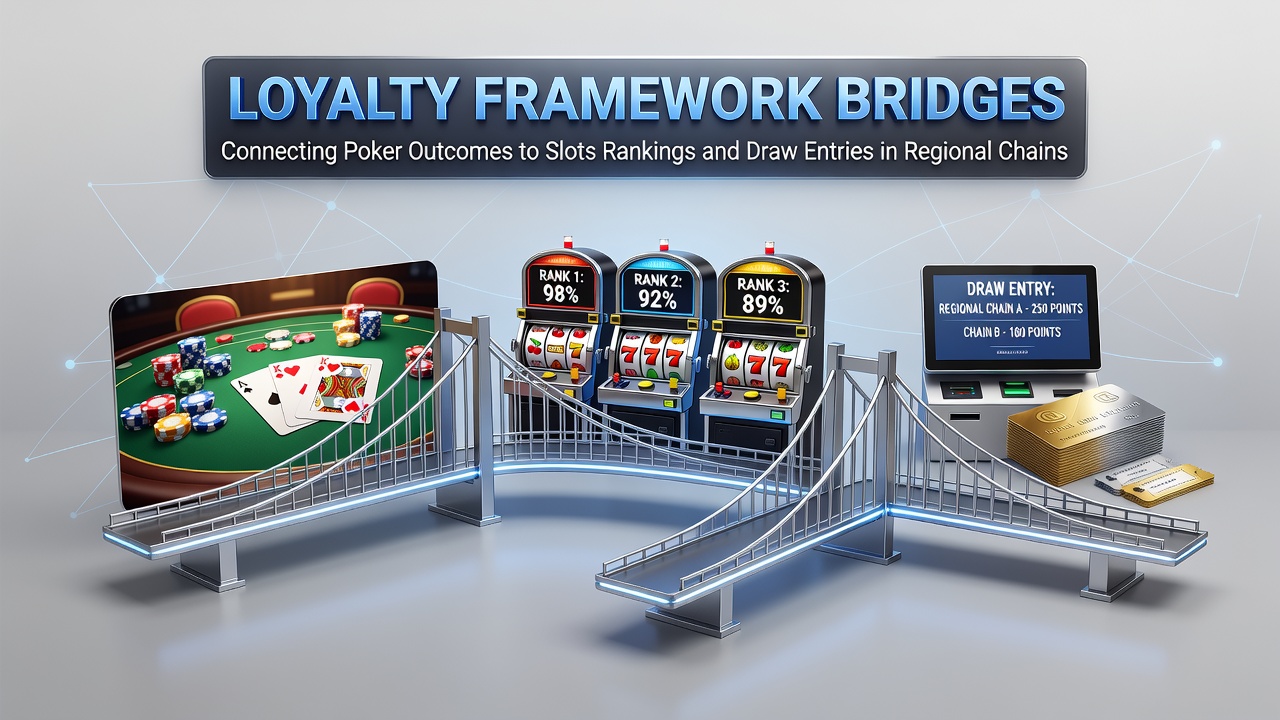
Loyalty Framework Bridges: Connecting Poker Outcomes to Slots Rankings and Draw Entries in Regional Chains
Regional casino chains have developed loyalty frameworks that link performance in poker tournaments directly to positions on slots leaderboards and eligibility for periodic draws, creating pathways where outcomes in one game category influence rewards in others throughout July 2026 and beyond. These systems track player activity across properties and translate table game results into points or qualifiers that affect machine-based rankings and entry opportunities for raffles or prize distributions.
Mechanics of Integrated Loyalty Tracking
Data from multiple regional operators shows that loyalty platforms assign weighted values to poker finishes, with deeper runs generating credits that carry over to slots competitions and draw pools, while participation volume in live events often determines baseline eligibility tiers that unlock additional slots challenges. Observers note that these bridges operate through centralized databases where each poker outcome registers as a multiplier or direct contribution to a player's cumulative standing, allowing someone who places in a weekly tournament to see immediate adjustments in their slots ranking position and draw ticket allocations at affiliated locations.
Systems in chains spanning several states synchronize these elements so that a strong finish at one property's poker room advances a participant toward higher visibility on regional slots leaderboards, and the same activity feeds into automated draw entries scheduled for later in the month. Figures from industry reports indicate that such linkages increase cross-game engagement because players receive notifications when poker results update their status in slots categories or qualify them for upcoming prize selections.
Regional Chain Implementation Patterns
Chains operating in the Midwest and Southwest have adopted similar structures where poker tournament conclusions trigger updates to slots metrics within hours, and draw participation expands based on the combined data from both table games and reel activity. Those who follow these operations report that the frameworks rely on real-time feeds from property management systems, ensuring that a final table appearance in poker can elevate a player's slots standing at other venues in the same network while simultaneously entering them into drawings that occur on set cycles.
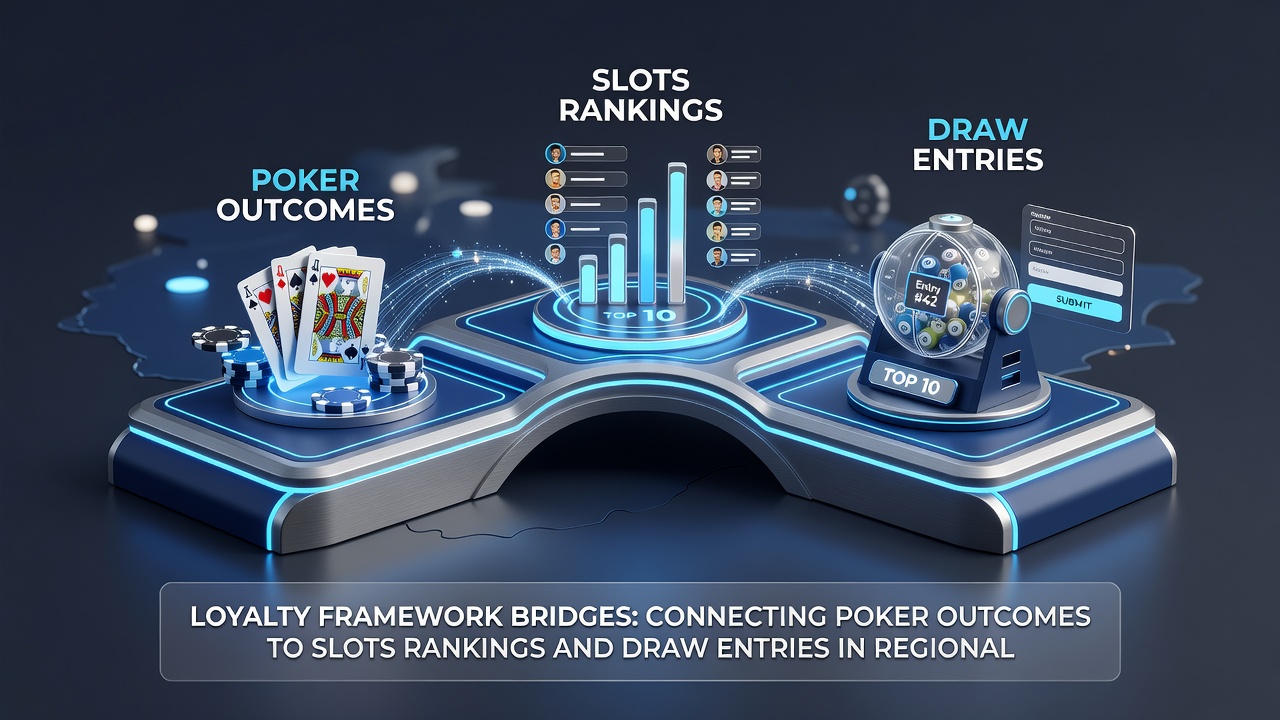
According to information released by the Nevada Gaming Control Board, integrated tracking across properties has expanded in recent years, with operators documenting how points earned from poker translate into slots ranking adjustments and draw qualifications at secondary locations. The same patterns appear in data shared by the Australian Institute of Gambling Research, where loyalty programs in multi-site groups demonstrate comparable bridges between live game outcomes and machine-based competitions.
Effects on Player Movement and Participation Volume
Regional operators record measurable shifts in attendance when loyalty systems connect poker results to slots rankings, as participants move between properties to capitalize on updated standings or secure draw entries tied to their recent finishes. Data collected through 2026 shows that chains with these frameworks experience steadier traffic flows because a single strong performance can influence opportunities across multiple game types and venues rather than remaining isolated to one category.
July 2026 schedules for several Midwest chains include coordinated events where poker tournament wraps feed directly into slots leaderboard resets and draw entries opening later the same week, creating sequences that encourage continued play at different sites within the network. Researchers tracking these systems observe that the connections reduce the separation between game categories, allowing activity in poker to serve as a gateway to slots challenges and prize drawings that might otherwise require separate qualification paths.
Conclusion
Loyalty frameworks in regional casino chains continue to refine the connections between poker outcomes, slots rankings, and draw entries by maintaining unified tracking systems that carry results across categories and properties. These structures, active through mid-2026, rely on shared databases and weighted point allocations that translate table finishes into machine standings and raffle qualifications, supporting coordinated participation patterns observed across multiple operators and regions.