Participant Flow Dynamics Linking Poker Tournament Conclusions to Subsequent VIP Schedule Engagements and Draw Participations
Casey Long · Jun 15, 2026
Participant Flow Dynamics Linking Poker Tournament Conclusions to Subsequent VIP Schedule Engagements and Draw Participations
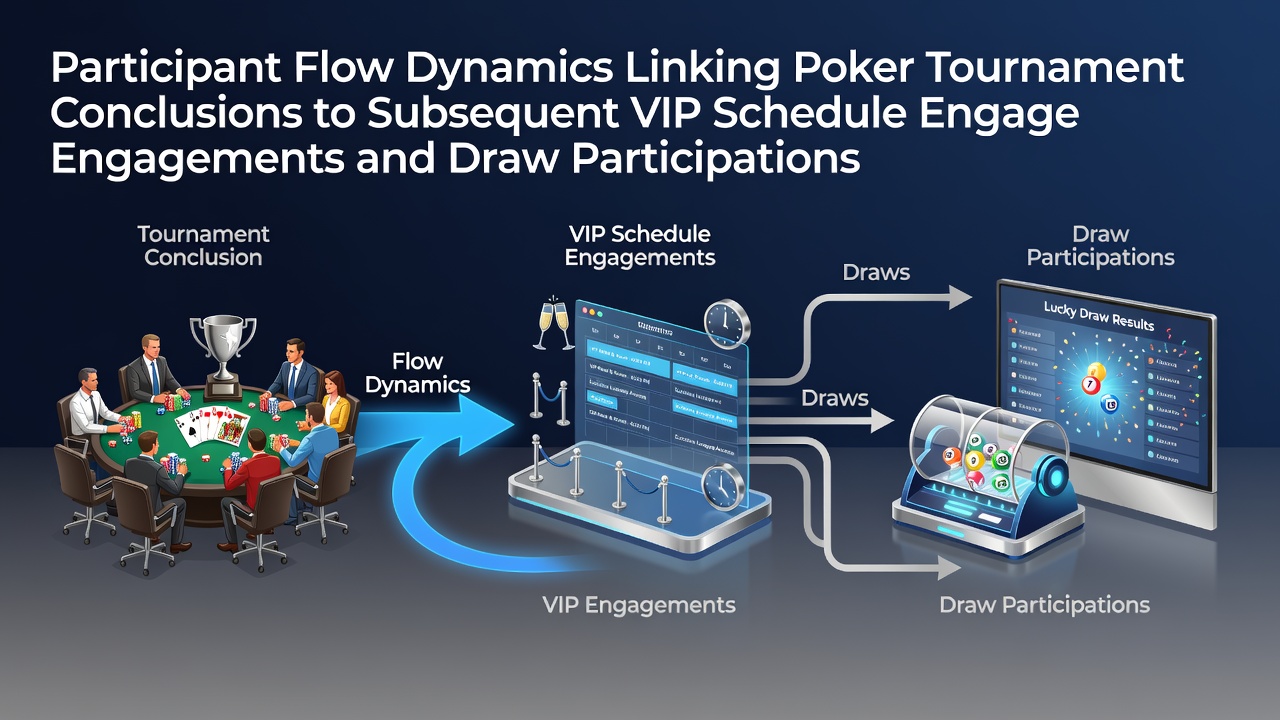
Patterns in casino operations reveal consistent movement of participants from the close of poker tournaments into structured VIP engagements and draw activities, with data tracking these shifts through integrated loyalty systems that log entry volumes and schedule activations. Observers note that tournament conclusions often coincide with heightened activity in VIP calendars, where players who complete final tables receive automated invitations to upcoming high-limit sessions or exclusive draw events scheduled within the same property footprint.
Mapping the Transition Pathways After Tournament Wraps
Integrated player tracking platforms capture how individuals who exit poker events move toward VIP schedule sign-ups, and records from multiple venues show that a significant portion of these transitions occur within the first 48 hours following a tournament's end. Data indicates that loyalty frameworks flag these movements by linking tournament completion timestamps to subsequent check-ins at VIP desks, where participants enroll in scheduled engagements that may include private game rooms or accelerated draw entries. One analysis of regional casino networks found that draw participation rates increase notably among players who have just concluded multi-day poker series, as the systems automatically populate entry forms based on prior play history and accumulated points.
Seasonal Timing and June 2026 Schedule Alignments
Property calendars for June 2026 list several coordinated events where poker tournament finishes feed directly into VIP timelines and draw cycles, with operators reporting that these alignments produce measurable upticks in cross-format participation. Figures from venue management systems demonstrate that when tournament payouts occur mid-week, the following weekend often sees elevated VIP schedule bookings alongside draw ticket volumes, since the same loyalty accounts handle both streams without requiring separate registrations. Researchers tracking these flows across properties have documented how digital notifications sent immediately after tournament results prompt players to select from available VIP slots or enter pending draws, creating a seamless handoff that maintains engagement momentum.
Loyalty Frameworks Connecting Poker Outcomes to VIP and Draw Activities
Centralized loyalty databases serve as the primary mechanism that routes players from poker conclusions into VIP engagements, where point balances accumulated during tournaments determine eligibility tiers for subsequent schedules. According to industry reports compiled by the American Gaming Association, these frameworks record average conversion rates where roughly one in three tournament finishers activates at least one VIP slot within the next seven days, often paired with draw entries that leverage the same point pools. What's interesting is how these systems also route participants toward draw participations that run parallel to VIP calendars, allowing a single account profile to trigger entries across multiple formats without manual intervention from staff.
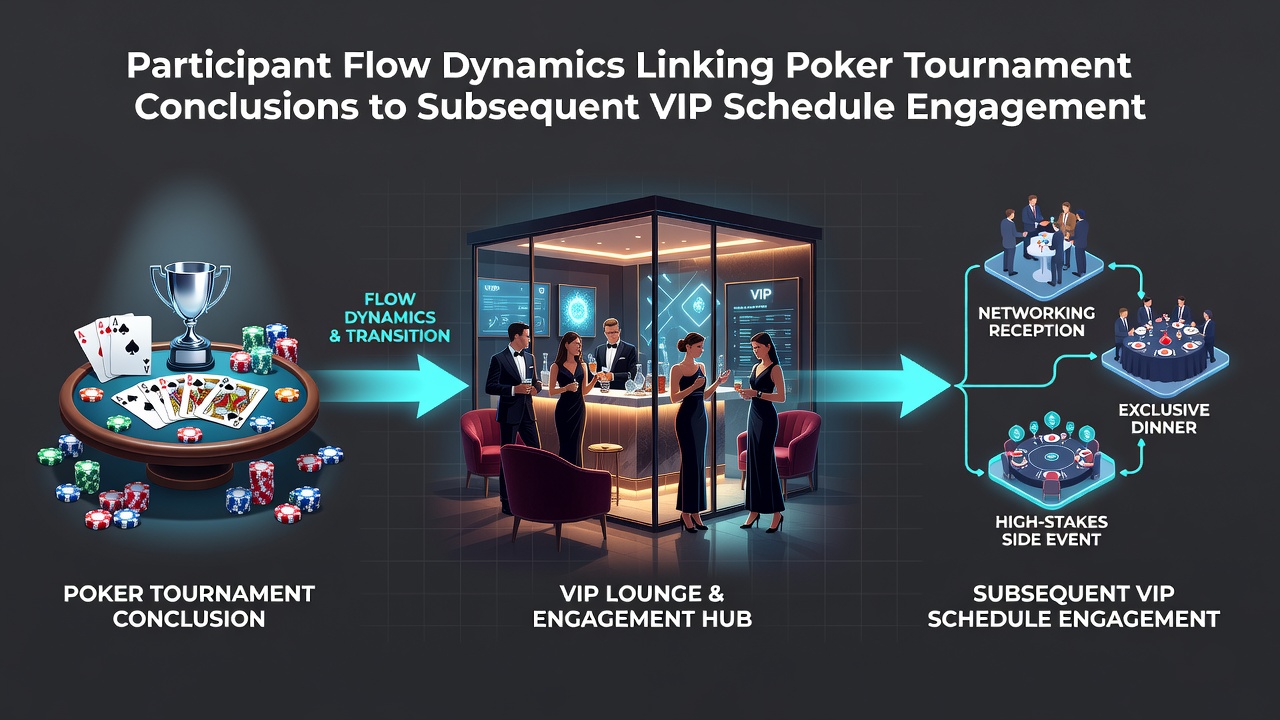
Case records from several North American properties illustrate that players who reach final tables receive tailored prompts directing them to both VIP schedule calendars and draw portals, with the platforms updating in real time to reflect available dates. Observers have noted that this integration reduces friction, since the same verification process used for tournament payouts carries over to VIP confirmations and draw validations, streamlining the entire sequence from one interface.
Volume Patterns and Cross-Format Participation Metrics
Quantitative reviews of entry data reveal that draw participation volumes rise in direct proportion to the number of poker tournaments concluding on a given day, with systems logging these correlations through timestamped activity logs. Reports from Canadian provincial gaming authorities show similar patterns where post-tournament draw entries account for a measurable share of weekly totals, particularly when VIP schedules overlap with those draw windows to create bundled participation opportunities. Those who've examined the datasets point out that regional variations exist, yet the core dynamic remains consistent across markets: tournament conclusions act as reliable catalysts for increased activity in both VIP and draw channels.
Additional examples include properties that adjust staffing levels at VIP counters and draw kiosks based on projected flows from ongoing poker events, using historical metrics to anticipate the surge. These adjustments ensure that the transition process stays efficient, with players moving from payout areas into enrollment stations without extended delays. Data compiled through these operational adjustments further confirms that the linked pathways maintain steady throughput even during peak periods such as the June 2026 schedule rollouts.
Conclusion
Overall tracking across casino networks demonstrates that participant movements from poker tournament conclusions into VIP schedule engagements and draw participations follow predictable, system-supported routes enabled by loyalty integration. The patterns hold across multiple jurisdictions and calendar cycles, with June 2026 events providing further instances where these flows align with property-wide programming. Continued monitoring of entry volumes and schedule activations offers ongoing insight into how these dynamics operate within broader gaming environments.