Player Migration Patterns Across Layered Reward Cycles in Multi-Venue Loyalty Networks
Casey Long · Jul 18, 2026
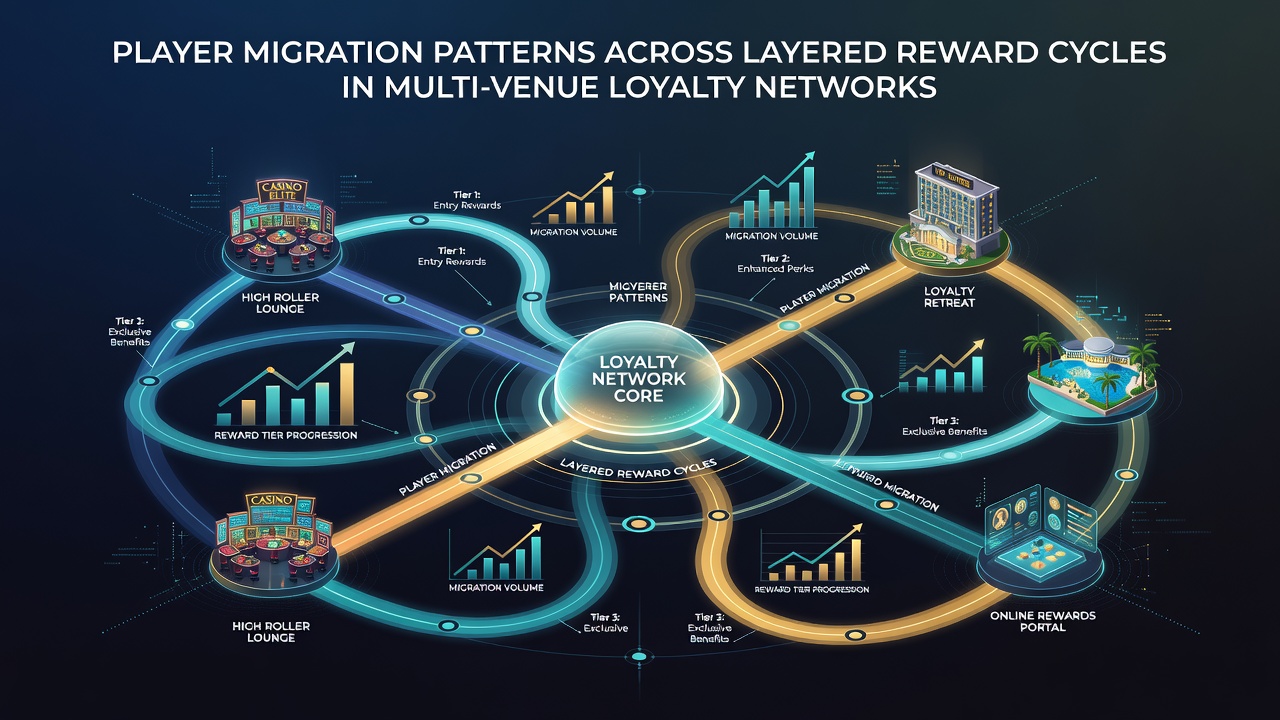
Player Migration Patterns Across Layered Reward Cycles in Multi-Venue Loyalty Networks
Multi-venue loyalty networks operate through structured reward layers that include tiered points accumulation, bonus multipliers, and redemption cycles tied to specific gaming activities, and these systems create measurable shifts in where participants choose to play, according to operational data compiled across regional properties.
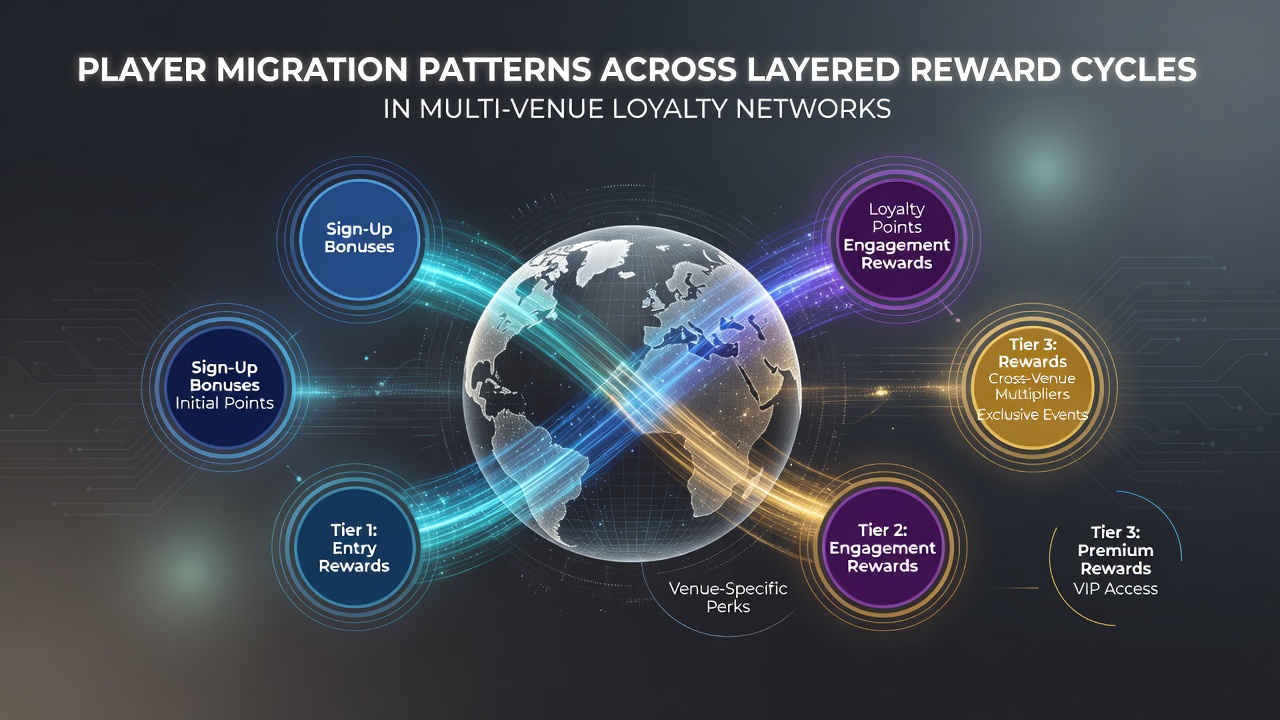
Players often begin in one venue for base-level rewards such as daily point multipliers on slots or table games, then transition to another location once they reach thresholds that unlock higher-tier benefits like exclusive event access or accelerated cashback rates, while data from integrated tracking platforms shows these movements follow predictable intervals aligned with weekly and monthly reset periods.
Mechanics of Layered Reward Structures
Reward layers typically stack across multiple properties through centralized membership systems that recognize activity at any participating venue, yet individual locations adjust their local promotions to pull participants during slower periods, and this dynamic produces migration flows that peak when one site completes a cycle while another initiates fresh accumulation opportunities.
Research from the University of Nevada's gaming analytics program indicates that participants in these networks complete an average of 2.3 venue switches per reward cycle when point values differ by more than 15 percent between locations, and the pattern holds across both regional chains and national operators because the underlying algorithms prioritize completion bonuses over venue loyalty.
Observed Migration Triggers in 2026
July 2026 records show elevated player transfers between properties in the Midwest and Southwest corridors during the first two weeks of the month, coinciding with the conclusion of spring tournament cycles and the launch of summer draw events that reset loyalty point ledgers at several connected venues simultaneously.
These shifts occur because many networks synchronize their higher-tier reward releases with calendar quarters, prompting participants who have maxed benefits at one site to relocate before new accumulation windows open elsewhere, while tracking systems capture the resulting changes in foot traffic and machine utilization metrics at both origin and destination properties.
Regional Variations in Flow Patterns
Networks operating across state lines exhibit distinct migration corridors, with participants moving northward during periods when southern venues conclude their progressive jackpot builds and participants seek new entry points into refreshed prize pools, and figures from the Nevada Gaming Control Board reveal that cross-border activity accounts for approximately 18 percent of total loyalty redemptions in networked properties during mid-year transitions.
Similar patterns appear in Canadian operations where provincial systems link rewards across multiple sites, and observers note that participants frequently complete one venue's weekly challenge before relocating to claim overlapping monthly bonuses at a second location within the same network, creating measurable volume spikes that last three to five days after each reset.
Impact on Venue Operations and Resource Allocation
Properties that anticipate these migration waves adjust staffing and machine availability in advance, and data indicates that venues receiving influxes during reward cycle transitions experience 22 percent higher table game occupancy rates in the first 48 hours after participant arrivals compared with baseline periods.
Network operators use predictive models based on historical cycle data to balance inventory across sites, which reduces idle capacity at origin venues while preventing overcrowding at destination locations, and this coordination relies on real-time feeds from loyalty platforms that flag when large cohorts approach tier thresholds simultaneously.
One documented case from a multi-state operator showed that after implementing synchronized cycle alerts, the network reduced average participant wait times for reward redemptions by 31 percent because staff could pre-position resources at the venues expected to receive the next wave of activity.
Future Tracking and Measurement Approaches
Advanced analytics now combine loyalty transaction logs with geolocation signals to map exact migration routes, and these methods allow operators to quantify how changes in one venue's reward layer affect activity levels at connected properties within the same network.
Industry reports compiled by the American Gaming Association highlight that networks employing these integrated measurement tools achieve more stable year-over-year participation rates because they can adjust promotional calendars to smooth out migration spikes rather than react after the fact.
Conclusion
Player movement across layered reward cycles continues to shape operational planning in multi-venue loyalty networks, with data from 2026 confirming that cycle resets and tier thresholds remain primary drivers of venue-to-venue transitions, and ongoing refinements in tracking technology support more precise resource allocation as these patterns evolve.