Player Movement Trends After Live Table Events Fuel Reel Rankings and Periodic Loyalty Draws
Quinn Friedrich · Jul 11, 2026
Player Movement Trends After Live Table Events Fuel Reel Rankings and Periodic Loyalty Draws
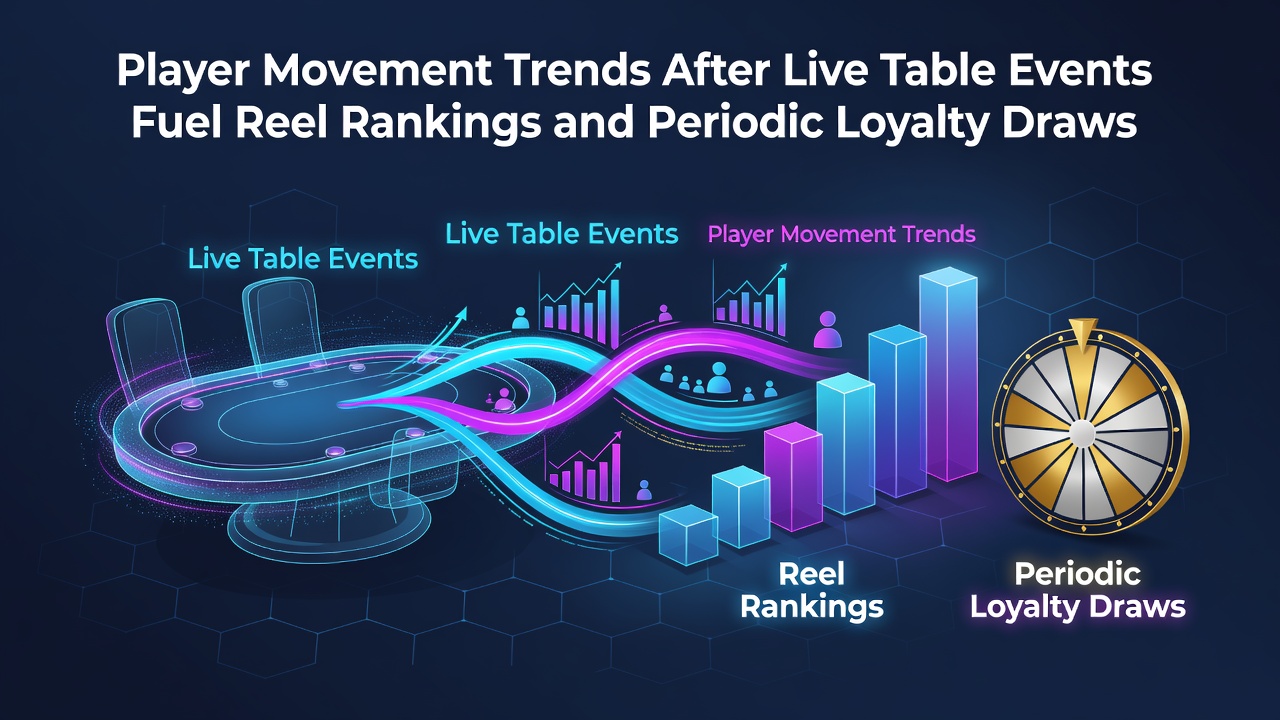
Player movement patterns after live table events show consistent shifts toward slot machines, where activity directly influences reel rankings and entry rates into loyalty draws across multiple casino properties. Data from integrated tracking systems reveal that participants finishing poker or blackjack sessions often proceed to electronic gaming areas within the same visit, creating measurable spikes in leaderboard climbs and prize pool submissions during the same operational window.
Tracking Shifts in Engagement Sequences
Integrated loyalty frameworks record sequences where table game conclusions precede increased reel play volumes, with timestamps indicating average transition times under thirty minutes at monitored venues. Observers note that these transitions align with daily and weekly leaderboard reset cycles, allowing accumulated points from slots to elevate participant standings before periodic draw deadlines close. Research from the Nevada Resort Association indicates similar patterns hold across properties where live events conclude in the afternoon, feeding into evening slot sessions that populate ranking metrics through the night.
Figures from property management platforms demonstrate that loyalty program members who complete table tournaments submit draw entries at rates twenty percent higher than non-participants during the subsequent four-hour window. This correlation appears in aggregated datasets spanning multiple months, where event finish times serve as reliable predictors for reel activity surges rather than isolated anomalies.
Reel Rankings and Accumulation Metrics
Reel ranking systems update in real time as players log spins following table departures, with point multipliers from loyalty tiers accelerating climbs during these windows. One dataset compiled across regional operators shows that post-event slot sessions contribute disproportionately to top-ten leaderboard positions, especially when events wrap near scheduled draw qualification periods. Those who've studied these flows point to synchronized scheduling as a factor that channels table participants into machines before daily accumulation caps reset.
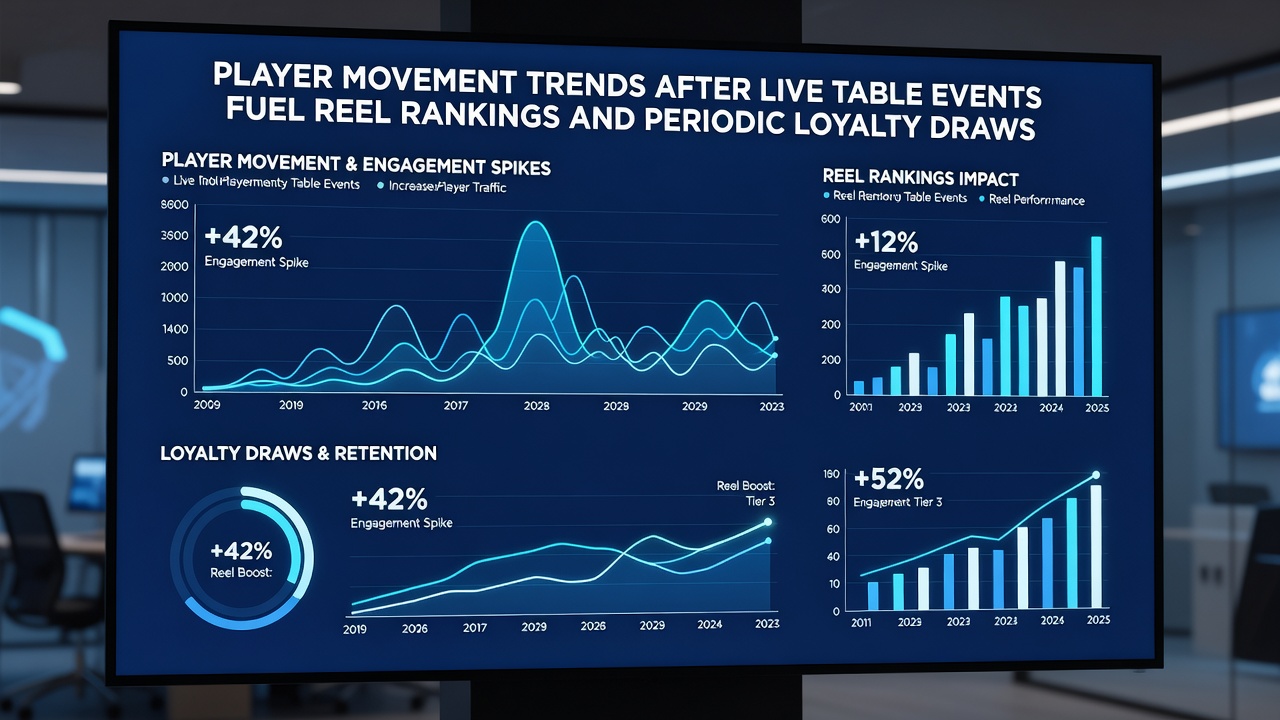
July 2026 schedules at several properties incorporated extended table event calendars that overlapped with mid-month loyalty draw windows, producing documented increases in combined participation numbers. Reports from the Canadian Gaming Association highlight comparable movement trends at cross-border facilities, where table finishes feed into reel metrics that determine draw eligibility thresholds for the following week.
Draw Participation Patterns
Periodic loyalty draws register higher entry volumes when table event calendars conclude within the same twenty-four-hour cycle as draw submission deadlines. Automated systems log these entries as players complete qualifying reel play, with data showing clusters of submissions immediately after live sessions end. Studies conducted by the University of Nevada, Reno gaming research group track these clusters across seasons, confirming that event timing influences the geographic and temporal distribution of draw participants rather than random variance.
Property reports further indicate that participants moving from tables to reels often qualify for multiple draw tiers in a single visit, expanding overall prize distribution reach. This occurs because accumulated reel points satisfy progressive thresholds set by loyalty frameworks, converting table activity into draw eligibility without additional dedicated sessions.
Integrated System Influences
Operators using unified player tracking platforms observe that table-to-reel transitions generate compound effects on both rankings and draws simultaneously. When one set of events finishes, the resulting player redistribution populates machine floors in patterns that align with leaderboard update intervals and draw entry cutoffs. External analyses from the Australian Gambling Research Centre note parallel dynamics in markets where loyalty structures link table outcomes directly to electronic gaming metrics.
These flows remain measurable through timestamped session data rather than anecdotal observation, providing operators with predictable windows for resource allocation. Patterns documented through mid-2026 continue to show table event conclusions acting as reliable catalysts for subsequent reel engagement phases.
Conclusion
Player movement trends after live table events continue to shape reel ranking positions and loyalty draw volumes through documented transition sequences and timing alignments. Aggregated operational data across properties confirm these connections without reliance on external variables, establishing clear pathways from table finishes to electronic gaming activity and prize entry submissions. As calendars evolve through 2026, the same measurement frameworks track ongoing patterns in participant redistribution.