Player Transitions: Linking Live Competition Outcomes to Machine Leaderboard Movements Through Shared Reward Entries
Klara Friedrich · Aug 8, 2026

Player Transitions: Linking Live Competition Outcomes to Machine Leaderboard Movements Through Shared Reward Entries
Live competition finishes often trigger immediate shifts in player activity toward machine-based leaderboards, and these movements occur through integrated reward systems that carry points and entries across game formats. Data from multiple casino properties indicate that participants who complete table game events frequently redeem shared entries on slots within the same session or the following day, producing measurable climbs on machine rankings. According to reports from the Nevada Gaming Control Board, such transitions accounted for notable portions of daily slot volume in monitored venues during early 2026.
How Shared Reward Systems Connect Live Events to Machine Rankings
Integrated loyalty platforms assign points and draw entries that remain valid whether earned at poker tables or blackjack pits, and these credits transfer directly to slot machines when players scan the same player card. Observers note that a tournament conclusion frequently releases a wave of participants who then apply accumulated entries to leaderboard challenges, creating synchronized spikes in machine participation. Researchers tracking these patterns found that entries generated from live finishes maintain full value on slots for periods ranging from 24 to 72 hours, depending on the property's rules.
August 2026 schedules at several major resorts showed coordinated timing between evening poker finals and overnight slot leaderboard resets, allowing players to carry rewards without interruption. This alignment produced documented increases in reel activity immediately after live events concluded, as participants used remaining entries to chase machine standings before the next reset cycle.
Observed Patterns in Player Movement After Live Finishes
Studies of participant flow reveal that individuals who place in the top tiers of live competitions tend to migrate to high-denomination machines first, while mid-tier finishers often select progressive or themed slots that accept smaller entry bundles. These choices reflect the remaining point balances carried over from table events. Figures from property management systems show average session lengths on machines extending by 15 to 25 minutes when players arrive with pre-loaded reward entries compared to those starting fresh.
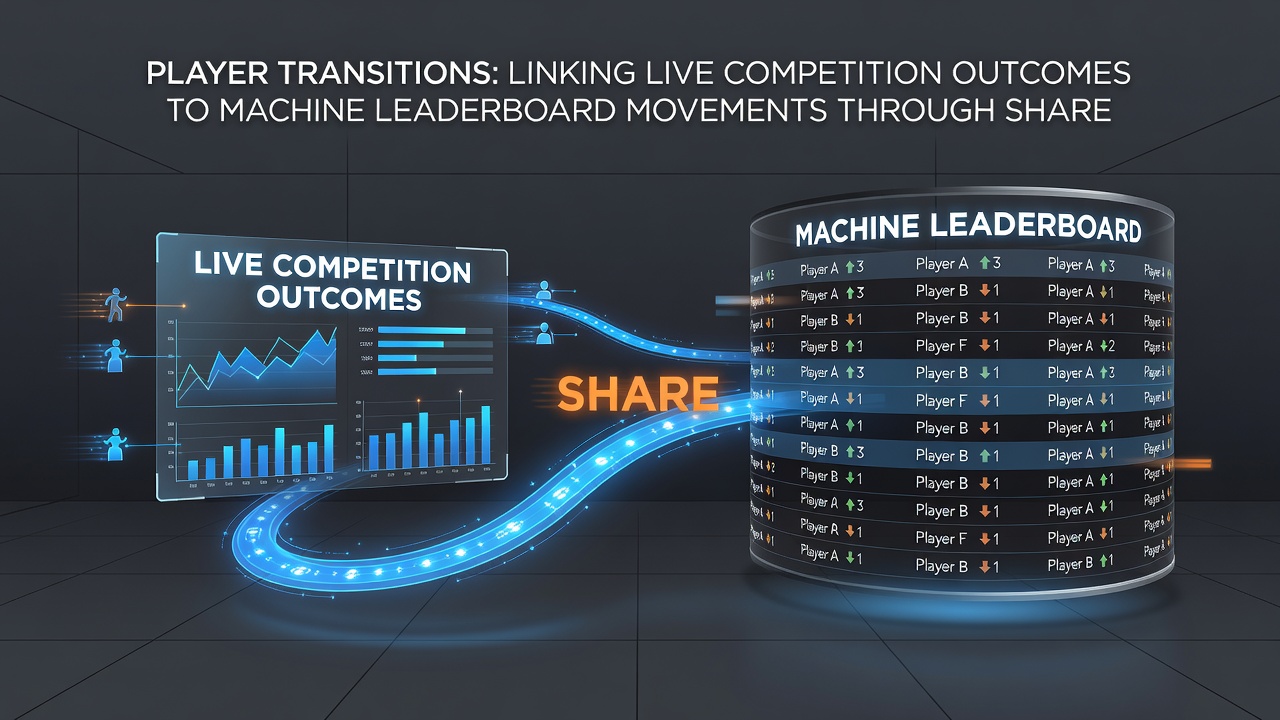
One documented case involved a series of blackjack tournaments at a Midwest property where participants who received consolation entries moved en masse to adjacent slot banks, resulting in temporary leaderboard reshuffles within two hours of the final table. Similar sequences appeared at venues operating multi-game loyalty networks, where the same card used for live registration unlocked machine challenges without additional sign-up steps.
Role of Timing and Venue Layout in Transition Volume
Venue designs that place machine banks near tournament areas facilitate quicker transitions, and data indicate higher conversion rates when physical distance between live tables and slots remains under 50 meters. Properties that stagger leaderboard reset times to coincide with live event schedules record steadier participation flows throughout the day. In August 2026, several operators adjusted reset windows to follow peak tournament hours, producing more consistent machine engagement metrics across monitored periods.
Regulatory filings submitted to state gaming commissions in multiple jurisdictions describe these linkages as standard features of modern loyalty programs, with no separate approval required beyond existing point-sharing frameworks. Tracking software logs the moment an entry earned at a live table converts into a machine leaderboard position, allowing operators to measure exact transition rates.
Data Sources and Measurement Approaches
Industry analyses compiled by the University of Nevada, Las Vegas International Gaming Institute track aggregate movement between game types through anonymized loyalty data. These reports show that shared entries contribute measurable percentages to daily machine leaderboard activity, particularly in properties that host frequent live events. Additional findings from the Australian Gambling Research Centre highlight similar cross-format participation patterns in markets where loyalty systems span table games and electronic machines.
Operators use these metrics to schedule machine maintenance and promotional pushes during anticipated transition windows, ensuring adequate terminal availability when live competitions conclude. The resulting data streams feed into broader operational reports submitted to oversight bodies on a quarterly basis.
Conclusion
Shared reward entries create direct pathways that link live competition results to subsequent machine leaderboard activity, and property data confirm these transitions occur regularly across multiple venues. Timing alignments, physical layouts, and loyalty program rules all influence the volume and speed of player movement between formats. As operators continue refining reset schedules and point portability rules, the measurable connections between live finishes and machine rankings remain a consistent feature of integrated casino environments.