Prize Webs: Tracing How Raffle Cycles Steer Transitions Between Poker Tables and Reel Rankings
Iris Griffin · Aug 29, 2026
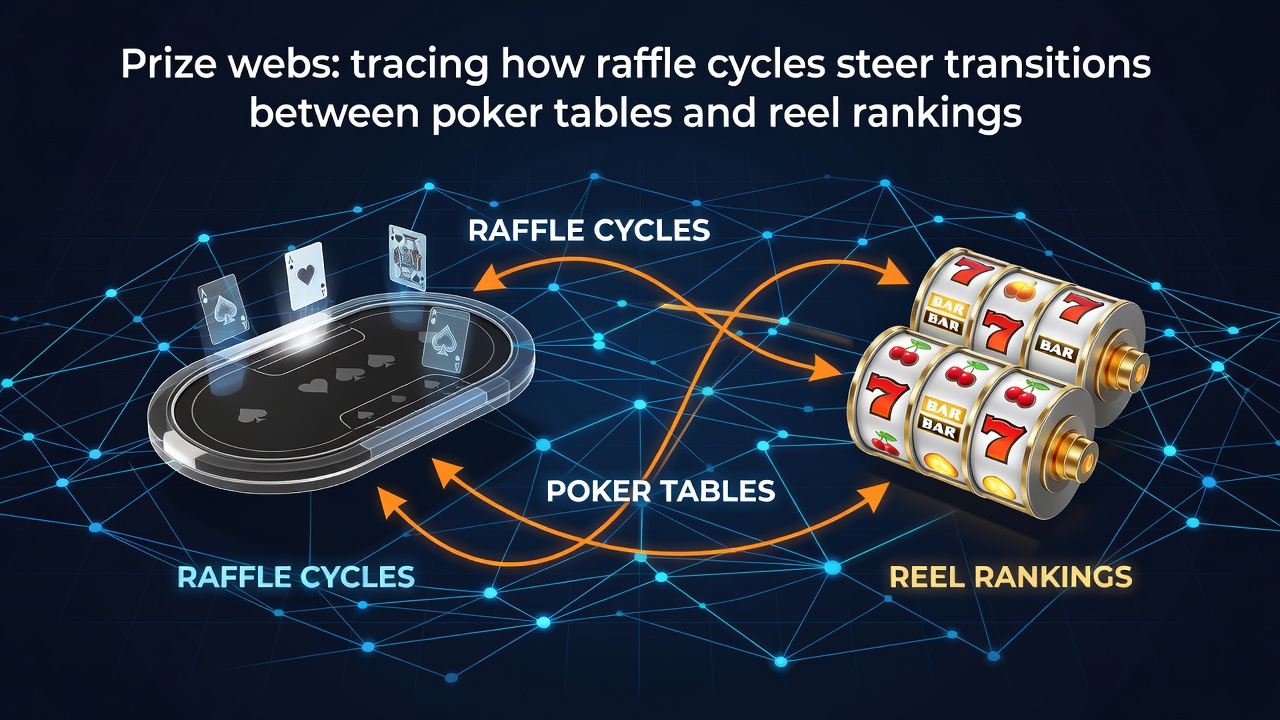
Prize Webs: Tracing How Raffle Cycles Steer Transitions Between Poker Tables and Reel Rankings
Integrated loyalty platforms now connect poker tournament outcomes directly to reel-based ranking systems through structured raffle cycles that redistribute player engagement across gaming verticals. These mechanisms operate by converting table game results into entry tokens that feed into periodic draws, which in turn unlock access to slots leaderboards and associated prize pools. Observers note that the flow creates measurable shifts in floor traffic patterns, particularly during peak summer months when properties adjust draw frequencies to sustain momentum between live action and machine play.
Raffle Mechanics Linking Table Results to Machine Metrics
Casino operators deploy point-conversion algorithms that award raffle entries based on final table placements and accumulated chip counts from poker events. Each entry then feeds into a centralized draw system that determines eligibility for reel ranking boosts, where participants receive temporary multipliers on slot leaderboards. Data from multiple properties shows these cycles typically run on weekly or bi-weekly intervals, with August 2026 schedules reflecting an uptick in synchronized draws following regional poker series completions. The process relies on unified player tracking databases that record both live game finishes and subsequent machine sessions, allowing systems to route participants automatically toward high-traffic reel areas once raffle results post.
Player Movement Patterns During Cycle Transitions
Research indicates that players who cash in poker tournaments exhibit elevated rates of reel engagement within 48 hours of raffle outcomes. Those who secure additional draw entries often migrate toward designated slot banks equipped with leaderboard terminals, where accumulated raffle points translate into ranking advantages. One documented pattern involves groups finishing multi-table poker events and then relocating en masse to progressive jackpot banks that accept loyalty redemptions tied to the same raffle pool. This movement accelerates when draw announcements coincide with leaderboard reset periods, creating short-term surges in machine occupancy that operators track through heat-map analytics.
Integrated Systems and Cross-Vertical Data Flows
Modern casino management platforms synchronize poker final tables with reel ranking updates by feeding outcome data into shared loyalty engines. These engines calculate raffle probabilities using weighted formulas that factor in both tournament buy-ins and historical play volume, then distribute results across digital displays visible from both table and machine areas. According to reports compiled by the Nevada Gaming Control Board, such integration has produced traceable increases in cross-product participation at larger resorts. The systems also log entry volumes, enabling properties to forecast staffing needs when raffle cycles overlap with seasonal events.
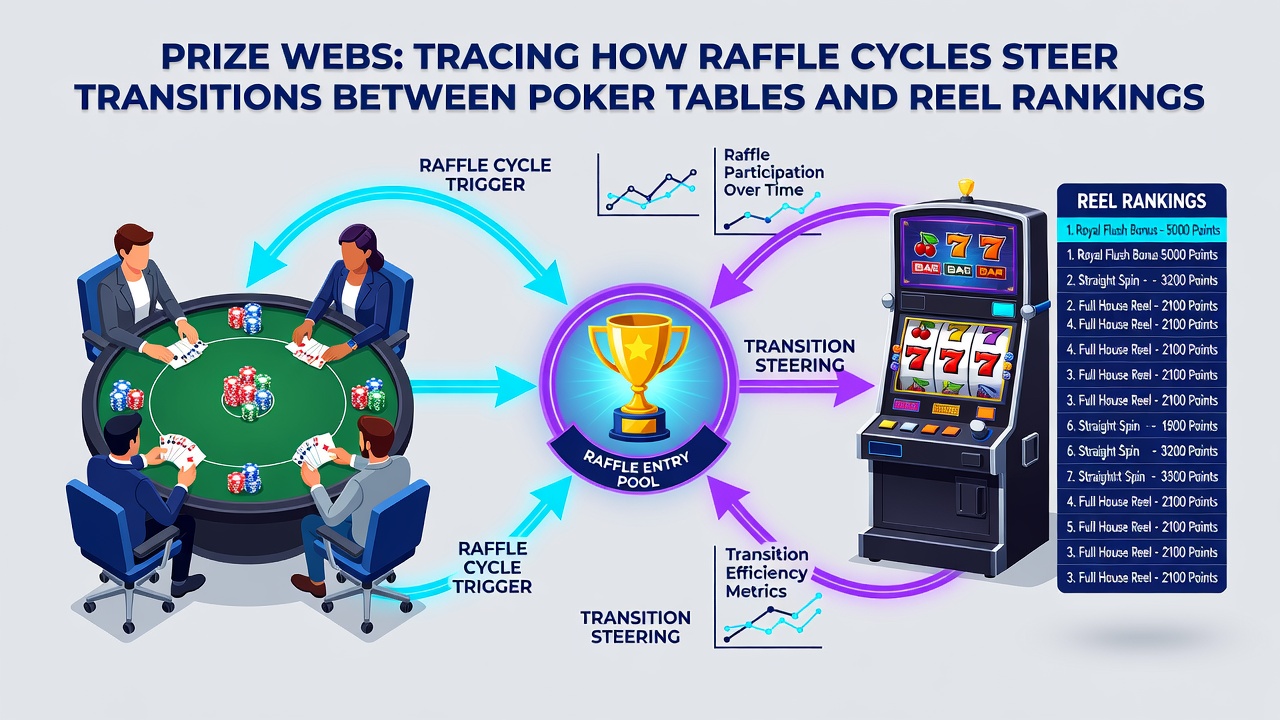
Additional data streams come from third-party analytics firms that aggregate anonymized session records across multiple jurisdictions. These records reveal that reel ranking climbs frequently follow poker tournament closures by one to three days, aligning with the cadence of raffle announcements. Properties adjust prize structures accordingly, offering tiered multipliers that reward consistent movement between the two formats rather than isolated participation in either.
Regional Variations in Cycle Implementation
Implementation differs by market, with some Canadian provinces requiring explicit player consent for data sharing between table and machine systems before raffle entries activate. In contrast, several U.S. states permit automatic enrollment once players opt into the overarching loyalty program. Figures released by the Canadian Gaming Association highlight that consent-based models still achieve comparable transition rates when operators provide clear in-app explanations of how poker finishes feed reel opportunities. August 2026 calendars at cross-border properties show coordinated draw timings designed to capture travelers moving between regulatory environments.
Entry Volume and Ranking Accumulation Trends
Accumulation metrics demonstrate that raffle cycles generate secondary spikes in reel leaderboard entries, particularly when poker participants use winnings to fund extended machine sessions. Tracking software captures these patterns by timestamping both the moment of raffle result publication and the subsequent login at slot terminals. Properties that publish real-time cycle updates on mobile apps report faster uptake, as players respond to visible countdowns by shifting locations on the floor. The resulting data sets allow revenue teams to correlate specific raffle structures with measurable changes in average session length across verticals.
Conclusion
Raffle cycles function as connective tissue between poker tables and reel rankings by converting live tournament outcomes into structured access points for machine-based competition. The resulting player flows follow predictable timing tied to draw frequencies and leaderboard resets, with August 2026 operations reflecting continued refinement of these linkages. Integrated tracking systems document the transitions through entry logs and session data, while regional regulatory approaches shape how operators implement the underlying point conversions. These mechanisms continue to evolve as properties refine the algorithms that route participants between formats based on observed participation sequences.