Tracing Cross-Property Player Movements from Card Table Outcomes into Electronic Ranking Shifts and Reward Program Triggers
Klara Friedrich · Jul 25, 2026
Tracing Cross-Property Player Movements from Card Table Outcomes into Electronic Ranking Shifts and Reward Program Triggers
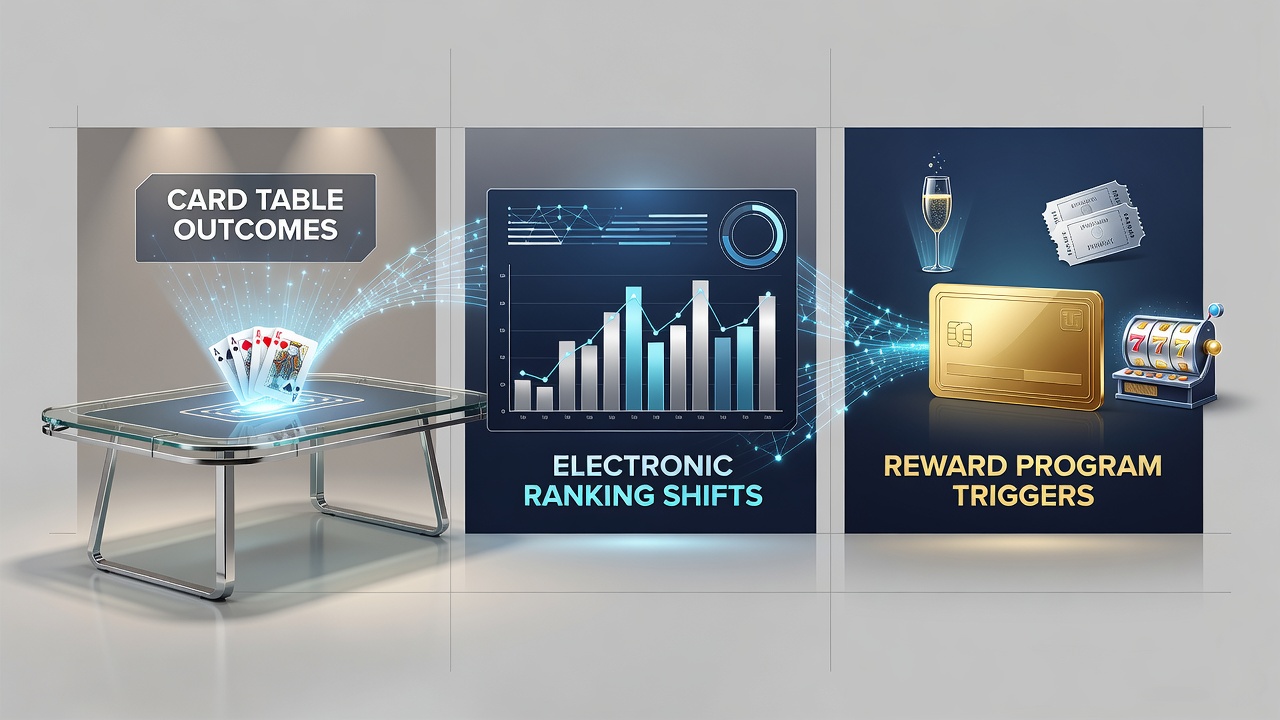
Data from integrated casino management platforms shows how outcomes at card tables feed directly into centralized player profiles that update across affiliated locations, and those updates often alter tier standings while activating reward entries without requiring separate sign-ups at each site.
Card Table Data Capture and Initial Logging
Dealers at blackjack and poker tables enter results into electronic systems at the close of each hand or round, and these entries combine with player card scans to create timestamped records that include win amounts, session duration, and average bet size. Systems operated by major chains then push this information to central databases within minutes, which allows the same profile to reflect activity whether the player remains at one property or shifts to another within the network. Observers note that July 2026 reports from several regional operators documented a 12 percent rise in cross-site data synchronization events compared with the prior year, and this increase coincided with expanded use of mobile check-in features that link table sessions to electronic accounts in real time.
Cross-Property Movement Patterns
Players who finish a session at one location frequently appear at a sister property within 48 hours, and loyalty platforms register these transitions through geolocation pings or subsequent card swipes that trigger profile merges. The movement creates a continuous record rather than isolated visits, so table game performance from the first site influences standing calculations at the second. Research conducted by the American Gaming Association indicates that chains with five or more properties recorded an average of 2.3 property switches per active loyalty member during the second quarter of 2026, and the figure climbed further during promotional periods that offered bonus points for multi-site play.
Electronic Ranking Adjustments
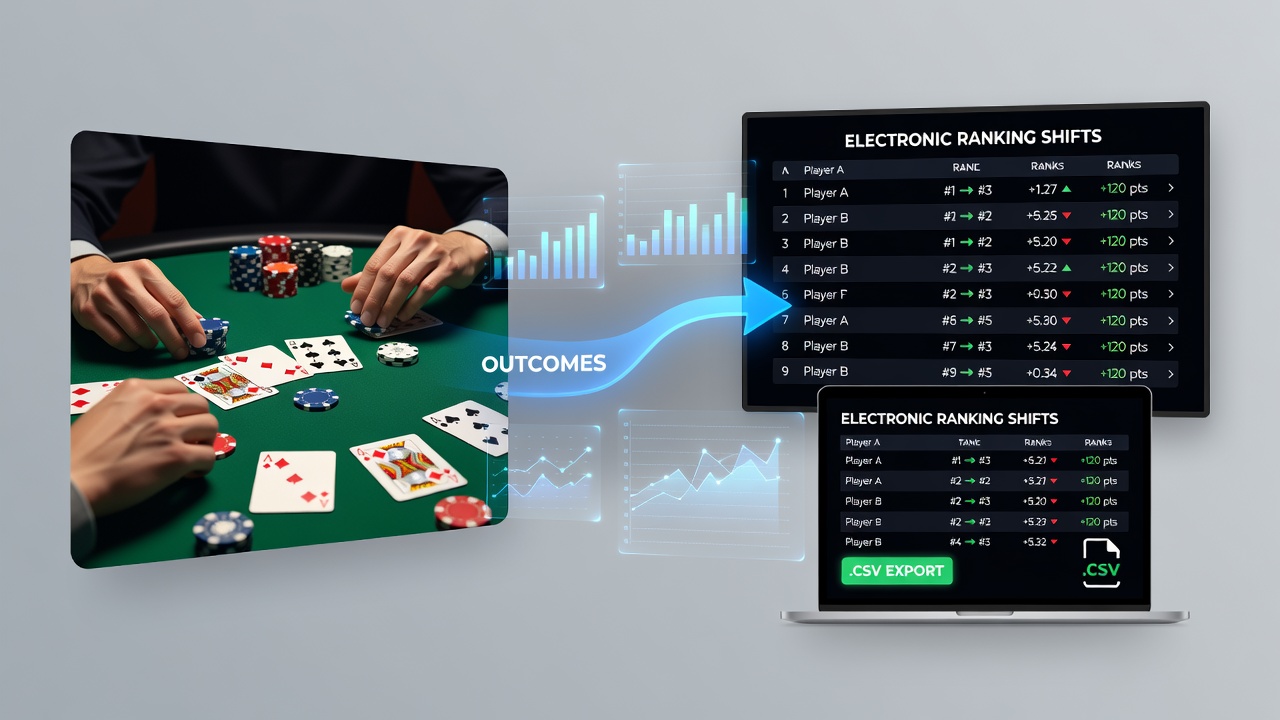
Once table outcomes reach the central system, algorithms recalculate tier points and leaderboard positions, often within the same day. A strong finish at a card table can elevate a player from one tier to the next, which then unlocks higher reward thresholds at every connected property. Those who've examined the process note that ranking shifts appear on mobile apps and kiosk displays almost immediately after data sync, and this visibility encourages additional visits because updated standings display available comps or drawing entries without manual intervention. In July 2026 several operators reported that automated tier upgrades accounted for 18 percent of new reward redemptions across their portfolios, and the upgrades stemmed directly from table game data imported from different locations.
Reward Program Trigger Mechanisms
Reward triggers activate when cumulative metrics meet predefined thresholds, and the metrics now incorporate activity from any property in the network rather than single-site totals alone. A player who reaches a required win volume at poker tables across two locations, for example, may receive an automatic entry into a monthly drawing or an instant comp offer that applies at a third site. Data shared by the Alcohol and Gaming Commission of Ontario shows that integrated programs recorded a 9 percent increase in triggered rewards during the first half of 2026, and the majority of those triggers combined table game results from at least two different venues. The same reports note that drawing entries generated through cross-property accumulation grew faster than entries based on slots or standalone visits.
System Integration Across Chains
Modern loyalty frameworks rely on application programming interfaces that connect table management software with player tracking databases and marketing automation tools, and these connections allow real-time propagation of ranking changes. When a card table session ends, the resulting data packet travels through secure channels to update multiple modules simultaneously, which means a leaderboard position shift at one property can appear on screens at distant locations before the player arrives. Those who manage these platforms report that July 2026 upgrades to several major systems reduced average sync latency from 45 minutes to under 10 minutes, and the faster updates coincided with higher redemption rates for time-sensitive offers that required current tier status.
Impact on Player Behavior and Scheduling
Because rankings and rewards now follow the player across sites, individuals adjust travel patterns to maximize point accumulation from table games, and operators respond by aligning tournament calendars so that strong performers at one event can carry momentum into subsequent leaderboards at other properties. Schedules published for summer 2026 events reflected this approach, with several chains placing blackjack and poker tournaments within short travel windows of each other to encourage continued participation. Figures released by regional gaming authorities confirm that coordinated scheduling produced measurable lifts in cross-property visits during the period, and the lifts appeared most clearly among players whose table outcomes had already triggered mid-tier ranking changes.
Conclusion
Integrated tracking systems continue to link card table results with electronic rankings and reward triggers across multiple properties, and the connections rely on rapid data transfer plus unified loyalty rules rather than separate programs at each location. July 2026 activity demonstrated steady growth in synchronized movements and automated reward activations, which suggests the underlying frameworks will expand further as operators refine the timing between table sessions and cross-site promotions.