Tracing Participant Transitions from Card Table Victories to Virtual Spin Challenges Within Casino Reward Ecosystems
Quinn Friedrich · Jun 29, 2026
Tracing Participant Transitions from Card Table Victories to Virtual Spin Challenges Within Casino Reward Ecosystems
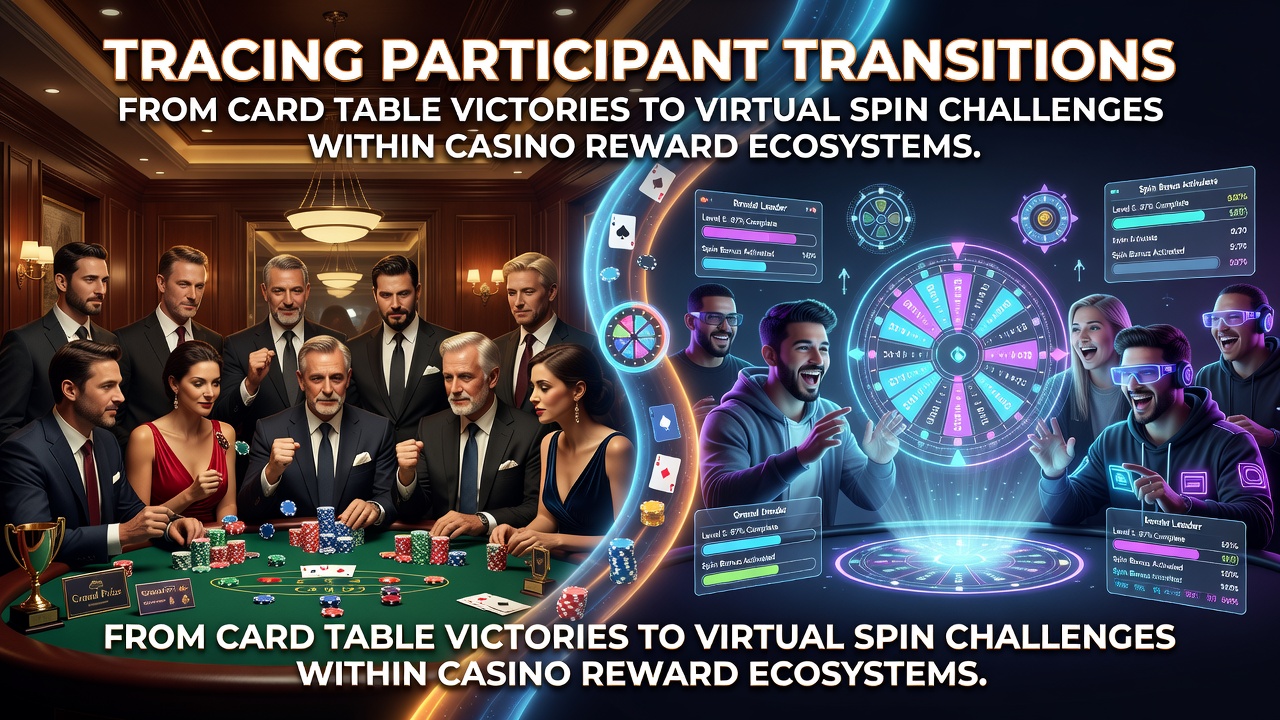
Participant movement between table game successes and virtual reel activities forms a core pattern within integrated casino loyalty structures, where victories at card tables often trigger incentives that direct engagement toward digital spin formats, and data from multiple jurisdictions shows these shifts occur through structured reward pathways rather than random choice. Observers note that players completing poker or blackjack sessions frequently receive tiered bonuses redeemable on slots, which creates measurable flows tracked by central systems across properties operating in the United States and Canada.
Loyalty Frameworks Driving Cross-Game Participation
Casino operators maintain unified point systems that record activity at both live tables and electronic machines, allowing accumulated credits from one category to unlock challenges in another, and this integration has expanded notably by mid-2026 as properties update software to link live tournament results directly with virtual spin leaderboards. Research from the University of Nevada, Las Vegas Center for Gaming Research indicates that such connections increase overall session duration because participants can apply table winnings toward entry requirements for slots competitions without additional deposits.
Programs at major resorts synchronize completion of card table events with immediate offers for reel-based tasks, where a blackjack final might generate free spins or leaderboard entries that appear in a player's digital account within minutes, and this timing encourages seamless movement between physical and virtual environments while maintaining compliance with state gaming regulations.
Patterns Observed in 2026 Tournament Cycles
June 2026 marked several property openings and expansions that incorporated enhanced tracking for participant transitions, including new facilities in Illinois where groundbreakings coincided with updated loyalty interfaces designed to route table game finishers toward slots challenges. Figures from the Illinois Gaming Board reveal rising volumes of cross-category redemptions during this period, with players who concluded poker events showing elevated rates of slots participation in the following 48 hours compared to non-tournament days.
Similar dynamics appear in Michigan and Louisiana markets, where operators align draw entries and virtual spin contests with table game schedules so that winners receive automated notifications prompting immediate engagement with reel formats, and industry reports from the Canadian Gaming Association document parallel systems in provincial casinos that link live dealer outcomes to online-style spin bonuses available on-site.
Data on Engagement Shifts Across Reward Ecosystems
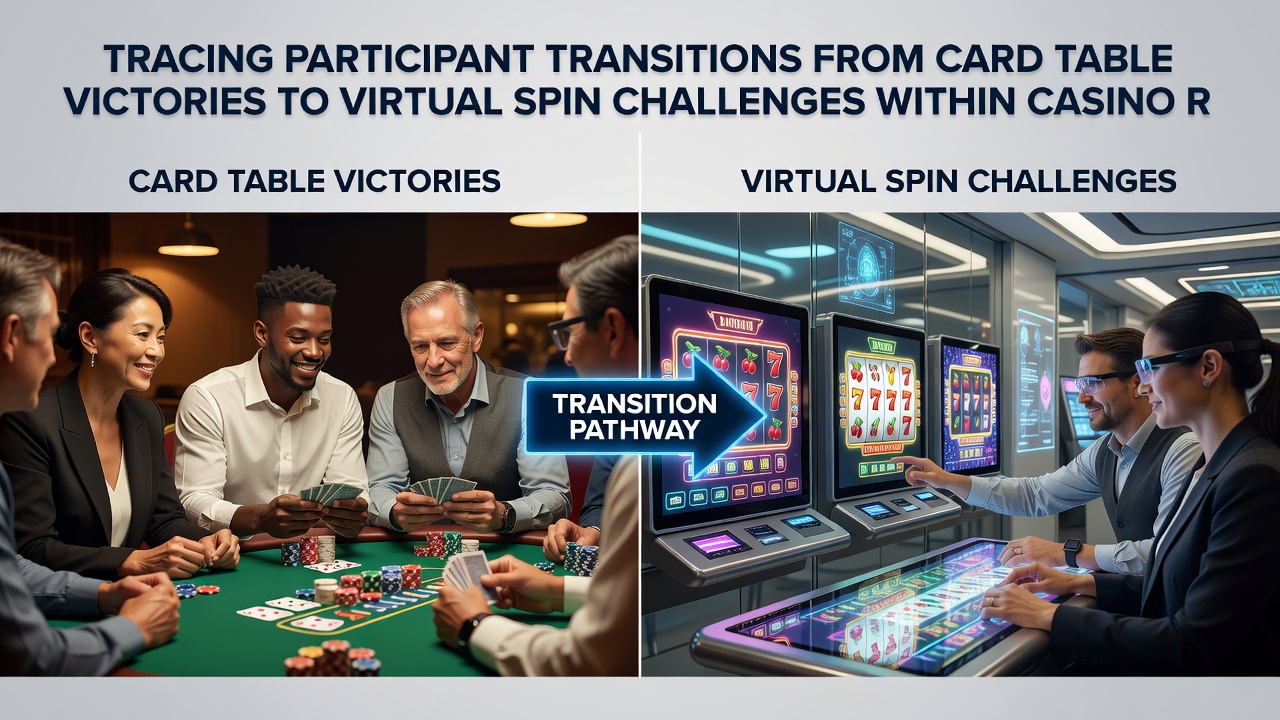
Analytics platforms employed by casino groups capture timestamped transitions, revealing that roughly 35 percent of participants who achieve top finishes at card tables activate virtual spin offers within the same visit, according to aggregated metrics shared by the American Gaming Association in its annual industry review. These patterns hold across both regional and destination properties, with loyalty tiers determining the scale of challenges unlocked after table victories.
Operators use these insights to calibrate prize distributions, ensuring that virtual spin events receive steady inflows from table game segments rather than operating in isolation, and state-level data from Nevada and New Jersey confirm that integrated reward structures correlate with steadier machine utilization rates throughout weekly cycles.
Technical Integration Supporting Seamless Movement
Modern casino management systems employ real-time APIs that transfer player status from table management software to slots servers, allowing a poker tournament conclusion to populate a virtual spin leaderboard entry automatically, and this automation reduces friction for participants who might otherwise disengage after leaving the card area. Properties in Australia have adopted comparable frameworks under oversight from state regulators, demonstrating that geographic differences in rules do not prevent similar transition mechanics from functioning effectively.
Security protocols verify eligibility at each step, preventing unauthorized transfers while still permitting rapid movement between game types, and this balance supports regulatory requirements in multiple jurisdictions without interrupting the flow from card table results to reel-based competitions.
Conclusion
Tracing these participant pathways shows consistent structural support through loyalty ecosystems that reward table game performance with access to virtual spin formats, and ongoing developments in 2026 continue to refine the connections between live and digital challenges. Data from regulatory bodies and research institutions demonstrates measurable volumes of such transitions across North American and international markets, highlighting how integrated systems maintain engagement across varied game categories.